

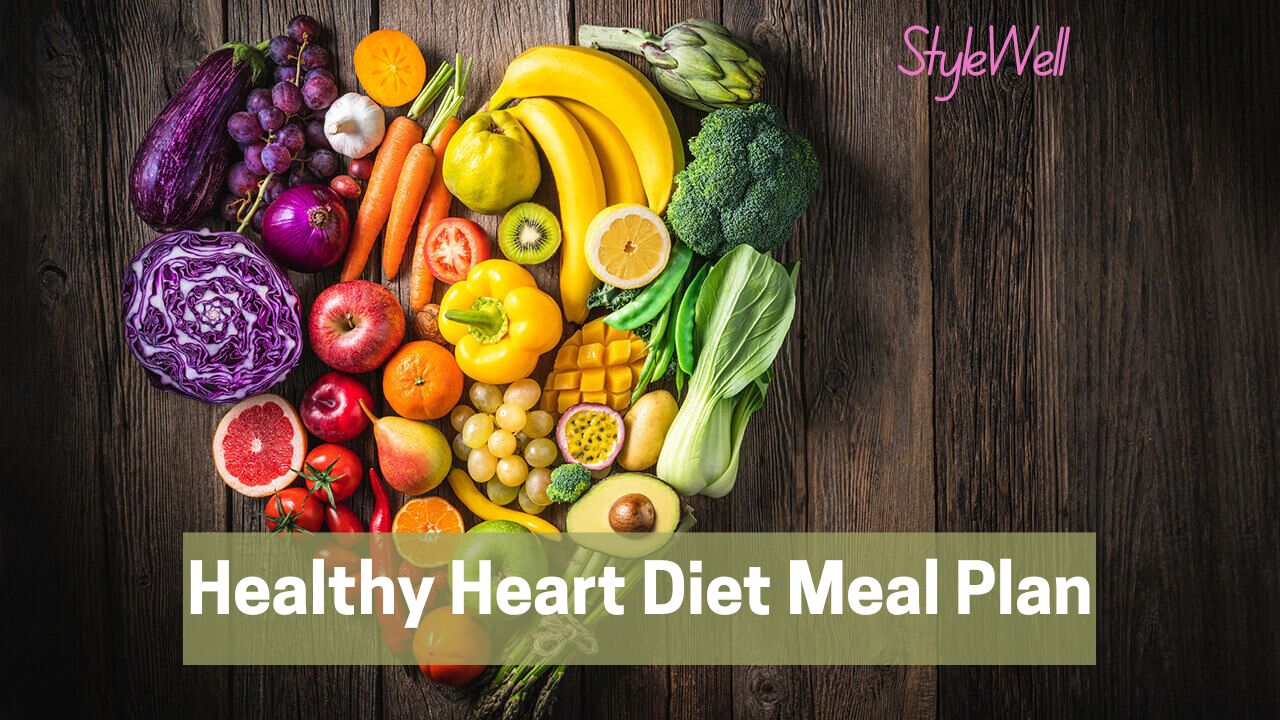
“Food is medicine” is a special health report and book published by Harvard Medical School that outlines “Let food be thy medicine, and let medicine be thy food.” A healthy heart is important for human wellbeing and the best way to support a healthy heart is the diet. The right food can help improve blood circulation, lower cholesterol and blood pressure. A heart-healthy eating involves choosing the right foods like fruits and vegetables having a certain amount of carbohydrates, proteins, minerals, fats and vitamins, while limiting some high saturated fats and added sugars. Read our highly researched guide on healthy heart diet meal plan: fruits and vegetables.
What Is a Healthy Heart Diet Plan?
A heart healthy diet plan includes certain foods such as vegetables, fruits, whole grains, fat free or lower fat dairy foods and protein rich foods, i.e. sea foods, eggs, nuts, meat and legumes. Maintaining balance among different foods intake is essential for a healthy diet. This is because a variety of foods gives a variety of nutrients and minerals to the body avoiding any excesses and lowers.
A healthy diet is one of the most effective ways to lower the risk of heart diseases. Unhealthy diets are the leading cause of death for many people in the world.
The American Heart Association (AHA) recommends these dietary guidelines for every heart health:
- Maintaining a healthy body weight.
- Consuming a variety of foods including vegetables, fruits, and whole grains.
- Minimizing refined, added sugars and salt and processed foods.
- Limiting alcohol.
Healthy Heart Diet Meal Plan
The DASH Eating Plan is a heart healthy scientific approved approach to lower blood pressure and have other health benefits. The National Heart, Lung, and Blood Institute, NHLBI, recommends a week with the DASH Eating Plan. This eating plan includes various food groups such as, grains; vegetables; fruits; dairy; Meat, fish, and poultry; nuts, seeds, and legumes; fats and oils; and Sweets and added sugars.
DASH Eating Plan
Below is the DASH Eating Plan provided by National Heart, Lung, and Blood Institute.
Healthy Heart Diet Fruits Vegetables
Below are some fruits and vegetables for your heart’s health recommended by health experts due to the significance of these foods.
1. Heart-Healthy Fruits
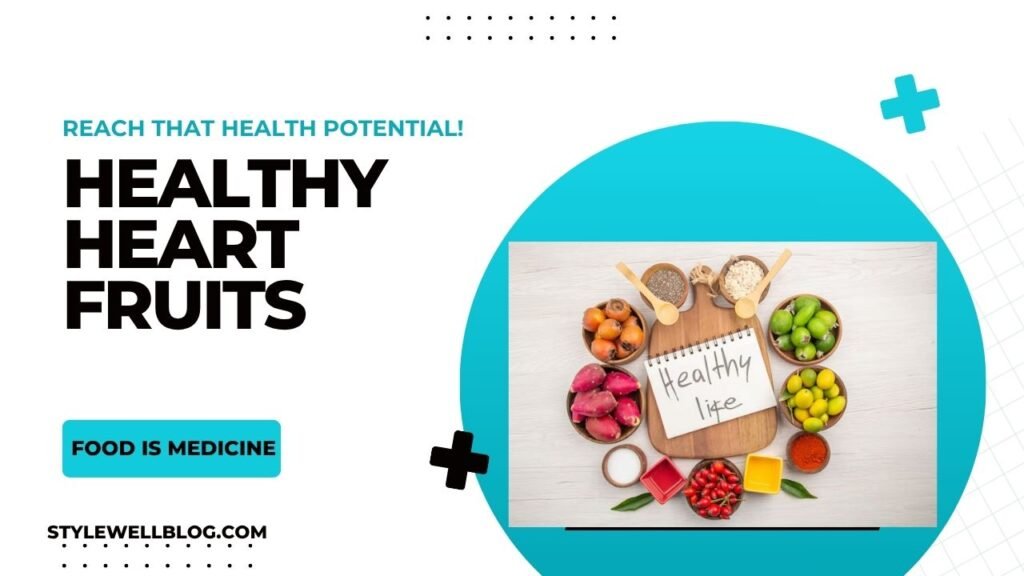
Fruits include various nutrients from sugars to fats and from proteins to vitamins and minerals. Adding fruits to your daily diet can benefit your cardiovascular system. Here are some of these fruits:
a. Banana
Bananas are rich in potassium essential for controlling blood pressure levels. It helps in keeping your heart functioning properly. Adding bananas to your diet will support heart health.
b. Berries
Berries such as strawberries, blackberries, and raspberries are rich in nutrients like antioxidants. Anthocyanins, powerful antioxidants, help lower the risk of heart disease. A higher amount of this antioxidant intake can reduce the risk of coronary artery disease.
c. Mango
Mango is another healthy heart fruit that is packed with potassium that regulates blood pressure. It also contains antioxidants such as mangiferin known for its anti-inflammatory properties. In this way it benefits health.
d. Dry fruits
Dry fruits is a large group of nutrient-dense foods that includes, almonds, walnuts, and many others. Almonds are a good source of heart healthy phytosterols and fibers that protect against heart disease as well as include many minerals and vitamins important for heart health. On the other hand, walnuts contain fibers and micronutrients such as copper, manganese, and magnesium. Diets incorporating walnuts can decrease bad LDL and total cholesterol.
e. Apples, Oranges and Pomegranates
In a 2020 study, apples were the among the best fruits having nutrients preventing cardiovascular disease. While, 2021 study identified pomegranates and grapes having greater heart benefits compared to other fruits. It is suggested that eating at least one whole apple a day can significantly reduce cardiovascular disease risks.
Here is More to Read: Healthy Eating: The Road to Physical and Mental Wellness
2. Heart-Healthy Vegetables

Vegetables for a healthy heart includes a wide variety of veggies of different colors i.e. green leafy vegetables, or red vegetables. The National Heart, Lung and Blood Institute lists vegetables including spinach, kale, cabbage, broccoli, and carrots. These vegetables are part of a healthy heart diet plan. Below are some of these:
a. Leafy Green Vegetables
According to a 2021 study published in the European Journal of Epidemiology, consuming a cup of green leafy vegetables a day can reduce the risk of cardiovascular disease.
Green leafy vegetables are a major source of nitrates, antioxidants, and vitamins such as Vitamin A, folate B, C, E, and K noted by USDA Agricultural Research Service.
b. Asparagus
This vegetable has asparagine which is a compound essential for improving blood flow and pressure writes Grace Derocha. Besides this, asparagus also has a diuretic effect that reduces blood pressure by removing excess sodium.
c. Beet Roots
Root vegetables are another group of vegetables packed with anti-oxidants, fiber, and minerals. Beets are nitrate dense vegetables and their juice lowers blood pressure as observed by dieticians.
d. Artichokes
This vegetable has high fiber which is strongly linked to cardiovascular health as noted by a Senior Medical Editor from Pennsylvania, Katie E. Gloden, MD. In addition, it also lowers cholesterol levels particularly bad LDL cholesterol according to an article published at Cleveland Clinic Health Essentials.
3. Other Heart Healthy Foods
More foods having great potential for a healthy heart includes:
- Seeds: such as chia seeds, flaxseeds, and hemp seeds, etc.
- Plant Oil: including olive oil that relieves inflammation and lowers the risk of heart disease.
- Soybean: such as Edamame rich in soy isoflavones that lowers cholesterol particularly LDL.
- Teas: like green tea includes polyphenols and catechins that reduce any inflammation and cell damage.
Conclusion
For a healthy heart in a healthy body, balancing a variety of foods including fruits and vegetables is essential. Variety of foods provides a variety of nutrients to the body required for proper functioning of the body. Fruits and vegetables are rich in those essential nutrients required for heart health. Eating a balanced diet also requires a healthy heart diet meal plan including fruits and vegetables. The above research is all about it to help individuals in maintaining a healthy and strong heart and improve overall health and wellness.
At Style Well Blog
We prioritize providing research based and expert level information to our readers. This blog strictly adheres to its principles of aligning content about lifestyle, fashion, and health and wellness.
References:
- Healthline: https://www.healthline.com/nutrition/heart-healthy-foods
- National Heart, Lung, and Blood Institute (NHLBI): https://www.nhlbi.nih.gov/health/heart-healthy-living/healthy-foods
- Bali International Hospital: https://bih.id/articles/7-heart-healthy-fruits-for-a-stronger-heart
- Heart Foundation Australia: https://www.heartfoundation.org.au/healthy-living/healthy-eating/heart-healthy-eating-pattern
- Harvard Health Publishing: https://www.health.harvard.edu/heart-health/heart-healthy-foods-what-to-eat-and-what-to-avoid
- TODAY: https://www.today.com/health/diet-fitness/heart-healthy-vegetables-rcna157021